Blogs
Why Do I Get Gas After Eating? Causes and Solutions
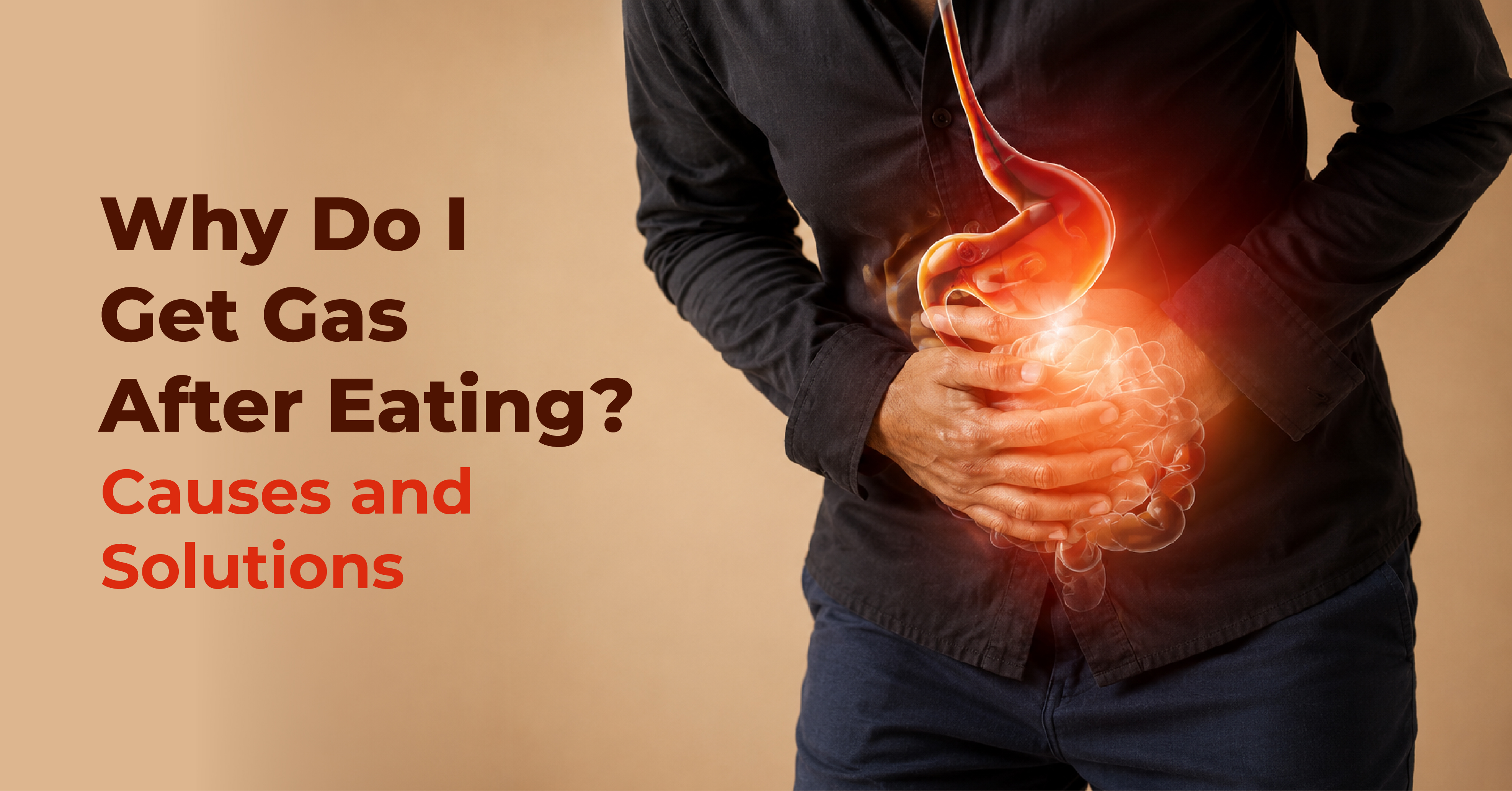
Gas after eating is usually caused by swallowed air, slow digestion, or foods that produce gas during breakdown in the stomach.
Common triggers include eating too quickly, heavy meals, and certain vegetables or dairy products.
Improving eating habits and using simple digestive support can help reduce bloating after meals and restore comfort.
Why Does Gas Occur After Eating?
Experiencing gas after eating is a common digestive issue. It occurs when food is not broken down efficiently or when excess air enters the digestive system during meals.
This can lead to:
- Bloating after meals
- Frequent burping
- Abdominal discomfort
- A heavy feeling after eating
In many cases, it is linked to everyday habits rather than serious health conditions.
Common Causes of Gas After Eating
Understanding why you get gas after eating can help you manage it better.
Eating Too Quickly
Eating fast can cause you to swallow excess air, leading to bloating and gas buildup.
Poor chewing also makes digestion harder, increasing digestion problems after food.
Foods That Cause Bloating
Certain foods are more likely to produce gas during digestion.
Common foods that cause bloating include:
- beans and lentils
- cabbage and cauliflower
- onions and garlic
- dairy products (for some individuals)
- fried or oily foods
These foods ferment in the gut, leading to post-meal gas and discomfort.
Overeating or Heavy Meals
Large meals can overwhelm the digestive system, causing:
- slow digestion
- heavy feeling after eating
- increased gas formation
Carbonated Drinks
Soft drinks introduce gas directly into the stomach, contributing to bloating after meals.
Post-Meal Acidity
In some cases, gas is accompanied by post-meal acidity, where excess stomach acid causes:
- burning sensation
- discomfort in the upper abdomen
- sour burps
Signs of Digestive Problems After Food
If you frequently experience gas after eating, you may notice:
- Bloating after meals
- Frequent burping or belching
- Feeling unusually full
- Mild stomach pain
- Indigestion
These symptoms indicate that your digestive system may need support.
Simple Solutions to Reduce Gas After Eating
Managing gas after eating often comes down to simple lifestyle changes.
Eat Slowly and Chew Properly
Taking time to chew food well reduces swallowed air and improves digestion.
Avoid Trigger Foods
Identifying and limiting foods that cause bloating can help prevent discomfort.
Drink Warm Water After Meals
Warm water supports digestion and may help reduce gas formation.
Stay Active After Eating
A short walk after meals helps release trapped gas and supports digestion.
Maintain Regular Meal Timings
Irregular eating patterns can lead to digestion problems after food.
JeeruBoss Tip for Post-Meal Comfort
JeeruBoss Tip:
Eating large meals too quickly can overload your stomach and lead to gas. Smaller portions and slower eating can make digestion feel much lighter and smoother.
When You Need Faster Relief from Gas and Acidity
While lifestyle changes are essential, modern routines don't always allow perfect digestion.
Travel, late-night meals or spicy food can still trigger gas after eating.
In such moments, having a fast-acting digestive relief option can help restore comfort quickly.
Jeera-based digestive formulations, inspired by traditional practices, are commonly used to:
- support digestion
- reduce bloating
- help manage post-meal acidity
A Convenient Way to Manage Digestive Discomfort
For people looking for a simple and ready-to-use option, products like JeeraFAST Instant Acidity & Gas Relief Powder are designed to fit into busy lifestyles.
With ingredients such as:
- Jeera (cumin) - supports digestion and reduces gas
- Nimbu Satva - helps soothe acidity
- Svarjiksara - balances excess stomach acid
it offers a quick, easy-to-use digestive solution when discomfort appears.
Unlike traditional remedies that require preparation, it can be taken easily after meals or when symptoms begin, making it suitable for everyday use.
How to Prevent Gas After Meals Naturally
Preventing gas after eating is possible with consistent habits:
- Eat smaller, balanced meals
- Avoid lying down immediately after eating
- Reduce carbonated drinks
- Manage stress levels
- Stay hydrated
These habits help maintain smooth digestion and reduce bloating.
Frequently Asked Questions
Why do I get gas after eating every meal?
This may be due to fast eating, poor digestion, or frequent consumption of foods that cause bloating.
What foods cause gas after eating?
Beans, cabbage, dairy, fried foods, and carbonated drinks are common triggers.
How can I stop gas immediately after eating?
Walking, drinking warm water, and avoiding lying down may help relieve gas quickly.
Is gas after eating normal?
Occasional gas is normal, but frequent symptoms may indicate digestive problems after food.
Can digestive products help with gas and acidity?
Digestive support products, especially those with cumin-based ingredients, may help manage gas and acidity after meals effectively.
Final Thoughts
Gas after eating is a common issue caused by everyday habits such as fast eating, heavy meals, or gas-producing foods.
By understanding the causes and making simple lifestyle changes, you can significantly reduce bloating after meals and digestive discomfort.
When needed, combining healthy habits with supportive digestive solutions can help you stay comfortable and confident throughout the day.
And as JeeruBoss would say, digestion works best when you keep things simple and balanced.
Table of Contents
Latest Blogs
Skipping Meals Frequently? Here’s How It Can Trigger Acidity and Gas Problems

Can Stress Affect Your Digestion? The Hidden Link Between Mind and Gut Health
Weekend Overeating and Monday Acidity: How Your Lifestyle Affects Digestion
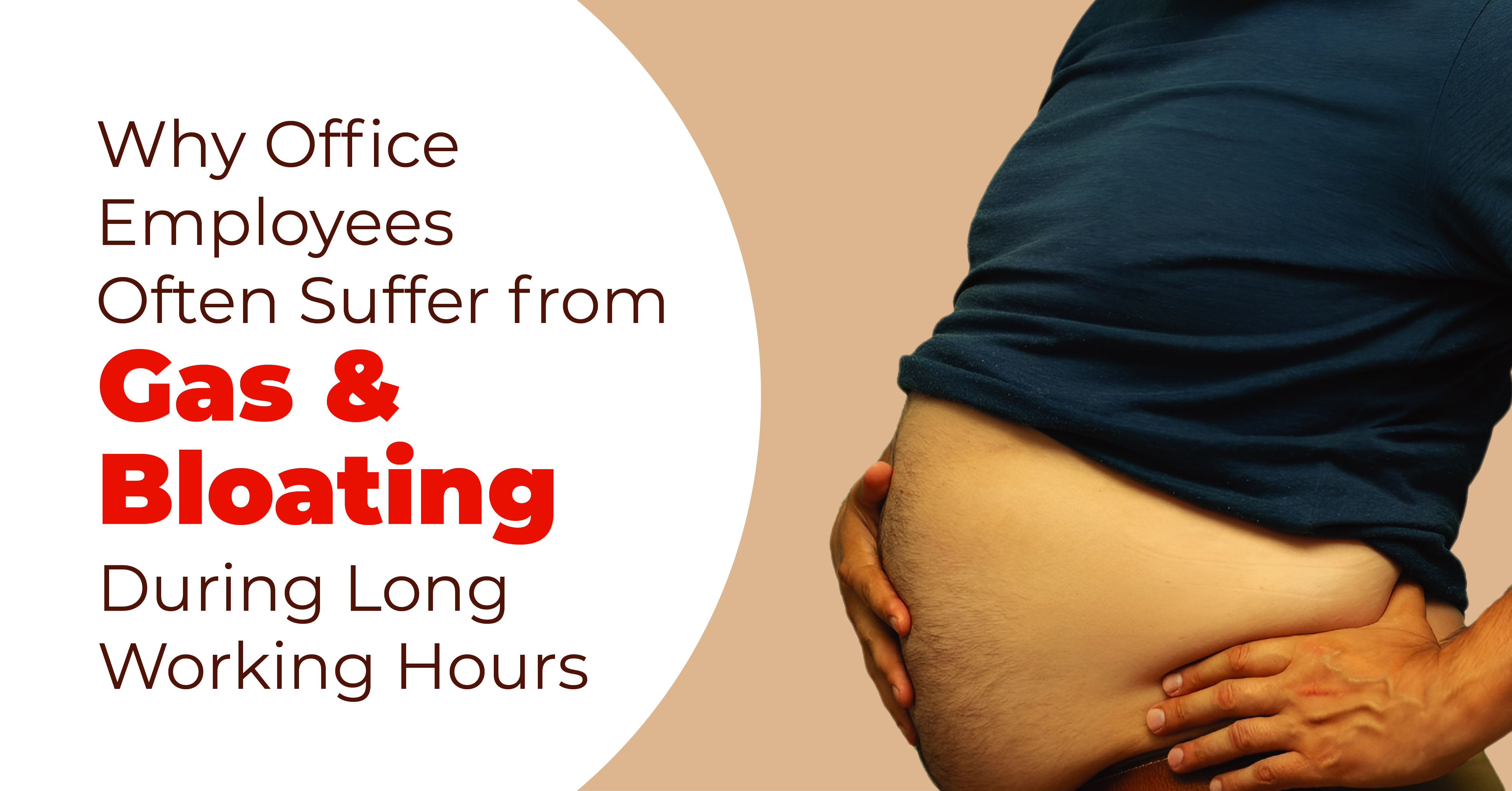
Why Office Employees Often Suffer from Gas & Bloating During Long Working Hours