Blogs
Why Office Employees Often Suffer from Gas & Bloating During Long Working Hours
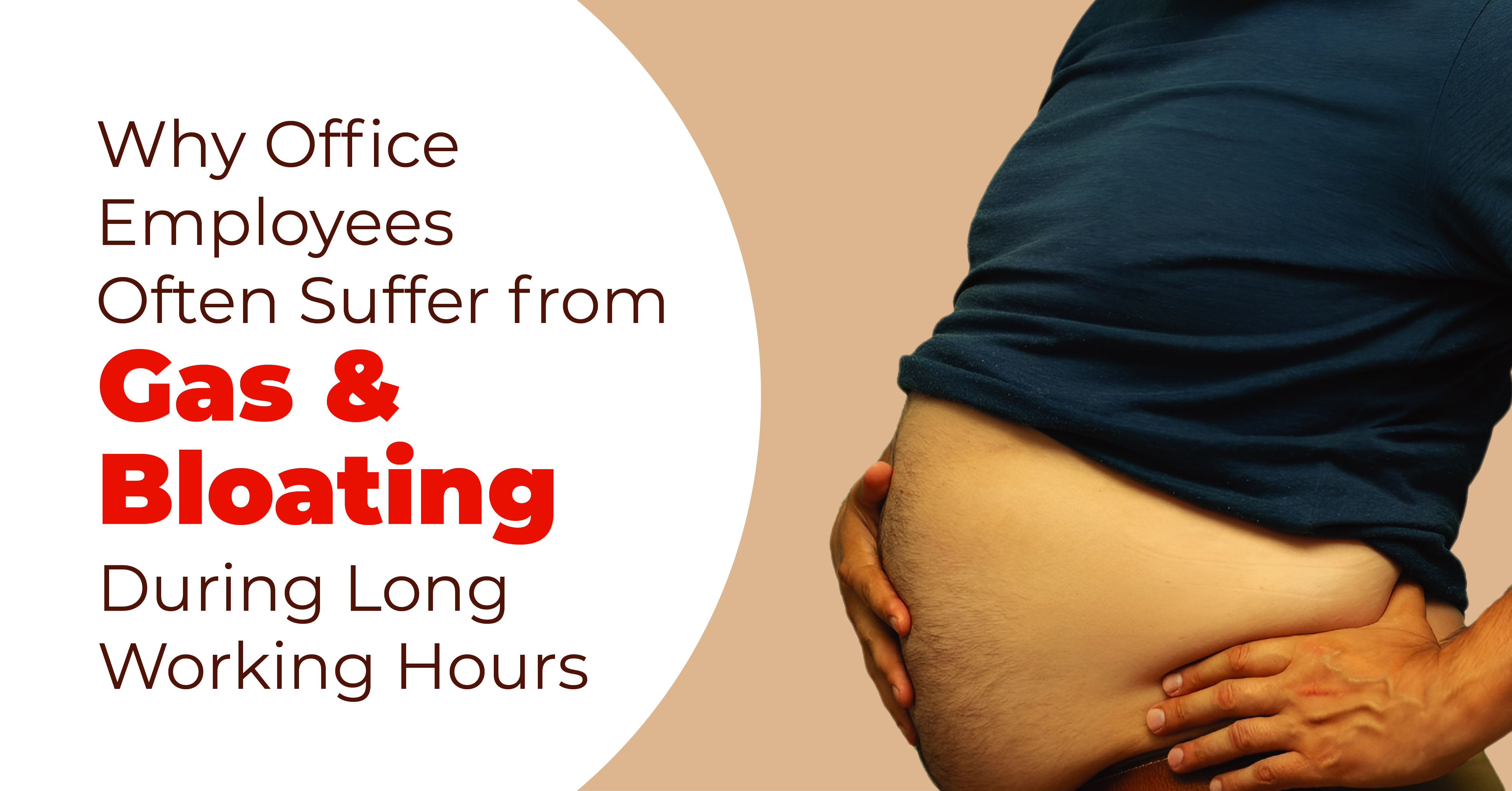
Modern office lifestyles often involve long sitting hours, irregular meals, stress, and limited physical movement. While these routines may appear harmless, they can affect digestive health over time. Many employees experience bloating during work, acidity after meals, stomach heaviness, or discomfort while sitting at desks for extended periods.
Gas problem in office workers has become increasingly common due to unhealthy office eating habits, sedentary routines, and stressful schedules. From skipping breakfast to consuming fast food between meetings, several daily habits may contribute to digestive discomfort at work.
This article explains why digestive issues at office environments are so common, how sitting and stress may affect digestion, and how traditional digestive support options such as jeera powder for acidity are increasingly being used in modern lifestyles.
Why Office Workers Commonly Experience Digestive Problems
The digestive system is closely linked to eating patterns, movement, hydration, and stress. Modern office routines may unintentionally disrupt all of these factors.
Why Do Office Workers Experience Gas and Bloating?
Gas problem in office workers commonly develops because prolonged sitting, irregular eating habits, stress, and processed foods may slow digestion and contribute to bloating. Limited physical activity during office hours may also increase stomach discomfort and digestive heaviness.
Common Workplace Habits That Affect Digestion
Several office-related habits may contribute to digestive discomfort, including
- Sitting continuously for long hours
- Skipping meals or eating late
- Fast eating during short lunch breaks
- Excess tea or coffee intake
- Low water consumption
- Stress and mental fatigue
- Frequent oily or processed foods
These habits may affect digestive comfort and increase acidity or bloating during the workday.
How Sitting for Long Hours May Affect Digestion
Movement plays an important role in supporting healthy digestion. Long periods of inactivity may slow digestive processes.
Digestion Problems Due to Sitting
When employees remain seated for prolonged periods
- Digestion may slow down
- Gas may build up more easily
- Bloating sensations may increase
- Abdominal heaviness may develop
- Constipation risk may rise
Stomach discomfort after sitting long hours is particularly common among employees who rarely walk or stretch during office hours.
Why Work Stress and Digestion Are Connected
The digestive system is strongly influenced by stress through the gut-brain connection.
Work stress and digestion issues are often linked because stress may
- Affect stomach acid production
- Disrupt digestion speed
- Increase bloating sensations
- Trigger acidity symptoms
- Affect appetite and eating behaviour
As a result, stressful work environments may contribute to digestive discomfort even when eating habits appear normal.
Common Symptoms Office Employees Experience
Digestive discomfort at work may present in several ways.
Common Digestive Complaints During Office Hours
Office workers commonly report
- Bloating during work
- Excess gas
- Acidity after meals
- Burping
- Stomach heaviness
- Mild abdominal discomfort
- Indigestion after lunch
Symptoms often become more noticeable after eating quickly, remaining seated for long periods, or consuming oily foods.
Unhealthy Office Eating Habits That May Contribute
Several eating behaviours may increase digestive issues at office environments, including
- Skipping breakfast
- Eating too quickly
- Frequent snacking
- Consuming spicy or fried foods
- Drinking carbonated beverages
- Late-night meals after work
Improving dietary balance may help support digestive health for employees.
Treatment Overview for Workplace Digestive Discomfort
Managing digestive discomfort often involves combining healthy routines, dietary awareness, and supportive digestive care.
Common Ways to Support Digestive Health
General approaches may include
- Eating meals at regular times
- Staying hydrated throughout the day
- Taking short walking breaks
- Avoiding overeating
- Including fibre-rich foods
- Reducing excessive caffeine intake
- Managing stress levels
- Using digestive support products when needed
Simple lifestyle adjustments may help reduce bloating and acidity during work hours.
Why Regular Movement Supports Digestion
Physical movement encourages healthy digestive activity. Even short breaks to stand or walk during office hours may help reduce bloating and stomach heaviness linked to prolonged sitting.
Employees who remain active during the workday may experience fewer digestion problems due to sitting.
How Jeera Powder for Acidity May Support Digestive Comfort
Jeera, also known as cumin, has traditionally been used in Ayurvedic digestive practices for stomach comfort and digestive balance.
High-Level Overview of Jeera for Digestion
Jeera powder for acidity is commonly used to support digestive comfort after heavy meals or irregular eating patterns. Traditionally, cumin has been associated with helping manage occasional bloating, gas, and digestive heaviness.
Jeera-based digestive support products are widely used in households and modern digestive wellness routines.
Why Office Workers Prefer Convenient Digestive Support
Busy professionals often prefer portable digestive solutions because they are
- Easy to carry during work
- Convenient after meals
- Suitable for travel and office use
- Quick to consume during busy schedules
Products such as JeeraFAST are designed as convenient jeera powder for acidity support options for people managing gas problem in office workers, bloating during work, and digestive issues at office environments.
Common User Questions About Office Digestive Problems
Can Sitting Too Long Cause Bloating?
Yes. Long sitting hours may slow digestion and increase abdominal pressure, contributing to bloating and stomach discomfort.
Does Work Stress Affect Digestion?
Yes. Stress may affect stomach acid production, digestion speed, and gut sensitivity, potentially increasing acidity and bloating symptoms.
Why Do Employees Feel Heavy After Lunch?
Heavy meals, oily foods, fast eating, and reduced movement after lunch may contribute to digestive heaviness and bloating during work.
Can Jeera Powder Help Acidity and Gas?
Jeera has traditionally been used in digestive wellness practices to support stomach comfort and help manage occasional acidity, bloating, and gas-related discomfort.
Safety and Usage Overview
Digestive support products should always be used responsibly and according to label instructions.
Important Safety Considerations
Individuals should
- Follow product usage instructions carefully
- Avoid excessive self-medication
- Maintain balanced eating habits
- Stay hydrated
- Seek medical advice for persistent symptoms
Digestive symptoms that occur frequently may require professional evaluation.
When to Seek Medical Advice
Medical assessment may be important if symptoms involve
- Persistent stomach pain
- Vomiting
- Severe acidity
- Unexplained weight loss
- Difficulty swallowing
- Ongoing digestive discomfort lasting several weeks
Digestive support products are not intended to diagnose or treat serious gastrointestinal conditions.
FAQ’s
Why do office workers experience gas problems?
Gas problem in office workers is often linked to prolonged sitting, stress, irregular meals, and unhealthy eating habits.
Can stress at work affect digestion?
Yes. Work stress and digestion are closely connected, and stress may contribute to bloating, acidity, and stomach discomfort.
Does sitting for long hours slow digestion?
Prolonged sitting may reduce digestive movement and increase bloating or heaviness after meals.
What are common digestive issues at office workplaces?
Common symptoms include bloating during work, acidity, gas, indigestion, and stomach heaviness.
Can jeera powder support acidity relief?
Jeera powder for acidity has traditionally been used to support digestive comfort and help manage occasional gas and bloating.
When should digestive symptoms be medically assessed?
Persistent, severe, or worsening digestive symptoms should be evaluated by a healthcare professional.
Key Takeaways
- Gas problem in office workers is commonly linked to sitting, stress, and unhealthy eating habits
- Long office hours may contribute to bloating and digestive discomfort
- Regular movement and balanced meals may support healthier digestion
- Work stress and digestion are closely connected
- Jeera powder for acidity is traditionally used to support digestive comfort
Conclusion
Modern office routines can significantly affect digestive wellbeing. Long sitting hours, stressful schedules, irregular meals, and unhealthy office eating habits may all contribute to gas problem in office workers, bloating during work, and stomach discomfort after sitting long hours.
Supporting digestive health for employees often involves balanced eating habits, regular movement, hydration, and stress management. Alongside these healthy routines, many people also look for convenient digestive support options to help manage occasional acidity, gas, and bloating during busy workdays.
Products such as JeeraFAST are designed to support digestive comfort for individuals experiencing digestive issues at office environments, work stress and digestion concerns, digestion problems due to sitting, and unhealthy office eating habits. Convenient jeera-based digestive support solutions may help office workers better manage occasional digestive discomfort linked to modern lifestyles.
Maintaining healthy routines, mindful eating habits, and regular physical activity remains important for long-term digestive wellbeing.
Table of Contents
Latest Blogs

Skipping Meals Frequently? Here’s How It Can Trigger Acidity and Gas Problems

Can Stress Affect Your Digestion? The Hidden Link Between Mind and Gut Health

Weekend Overeating and Monday Acidity: How Your Lifestyle Affects Digestion

Why Digestion Gets Worse in Summer & How to Stay Light and Comfortable