Blogs
Acidity After Eating: Causes, Foods to Avoid & Quick Relief
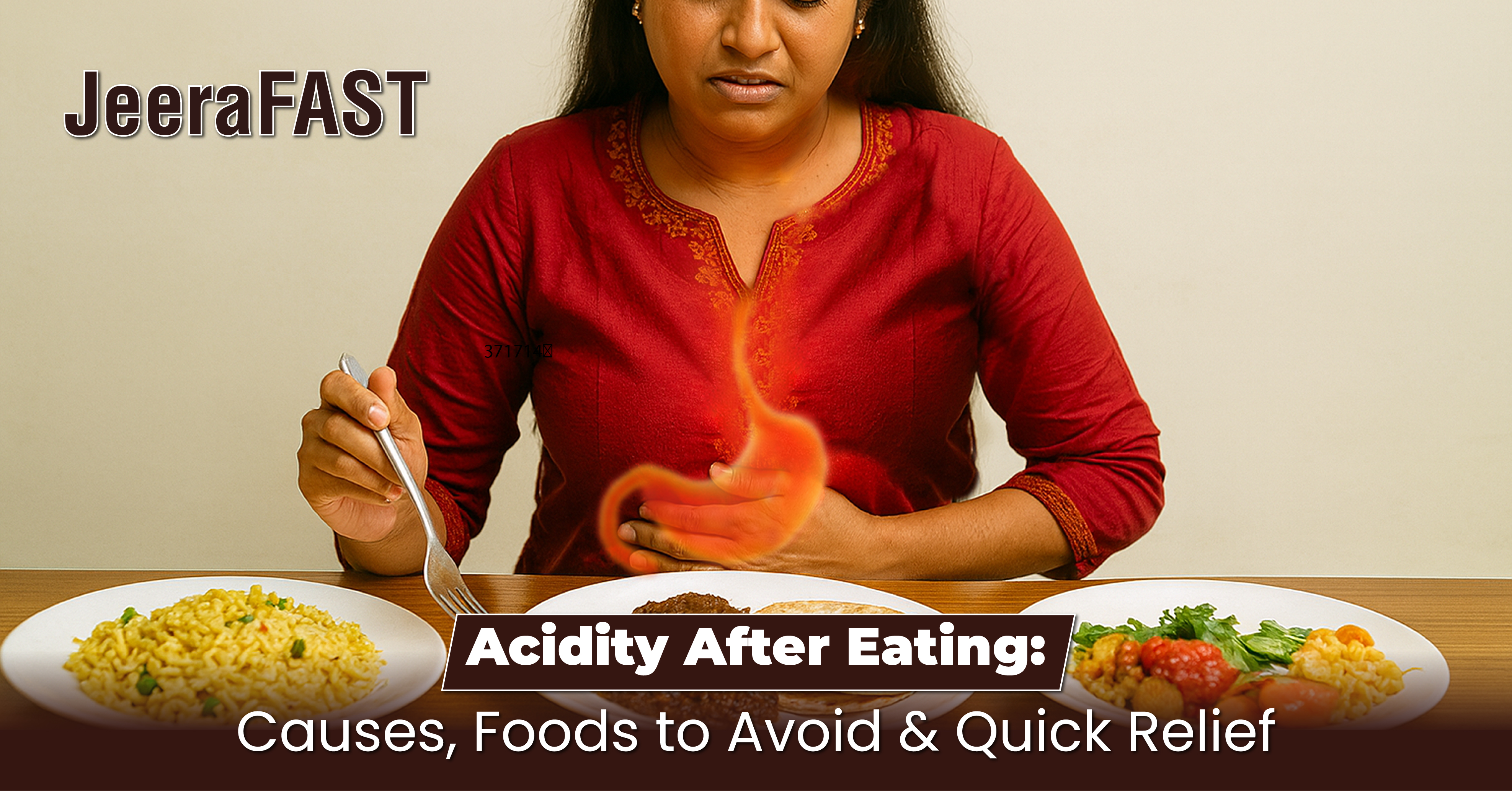
Have you ever finished a hearty meal only to feel a sudden burning sensation in your chest, a sour taste at the back of your throat, or a bloated, heavy stomach? You're far from alone. Millions of people, especially in India where meals are rich in spices, oils, and fried treats, experience post-meal acidity.
Acidity after eating is more than just uncomfortable - it can disrupt your mood, affect sleep, and make even the simplest activities feel uncomfortable. While it may seem random, your body is giving you clear signals about what's going wrong in your digestive system.
The good news is that acidity is totally manageable with the right knowledge and simple lifestyle adjustments. Understanding the main triggers - from spicy curries, oily snacks, and tea or coffee on an empty stomach to stress, fast eating, and sleeping immediately after meals - can help you prevent flare-ups before they start.
In this comprehensive guide, we'll break down everything you need to know:
What exactly causes acidity after meals
Why heavy or spicy foods and beverages like tea and coffee make it worse
Foods to avoid and foods that soothe your stomach
Quick home remedies that provide instant relief
Lifestyle habits that keep acidity away in the long term
By the end of this guide, you'll not only understand why your stomach reacts the way it does after eating, but also how to enjoy your favourite foods without the dreaded burn.
Acidity after eating doesn't have to control your life - with small, mindful changes, you can improve digestion, prevent discomfort, and boost your overall energy and well-being.
Why Do You Feel Acidity After Eating?
Ever finished a meal and suddenly felt a burning sensation in your chest or throat? You're not alone. Millions of people experience acidity after meals, particularly in India, where cuisine is rich in spices, oils, tea, coffee, and heavy foods.
Symptoms include:
Burning sensation in chest and throat
Bloating and gas
Sour taste at the back of the mouth
Burping or indigestion
Acidity occurs when stomach acid rises into the oesophagus - the tube connecting your mouth and stomach. Essentially, the acid meant to digest your food backfires.
Common Causes of Acidity After Meals
Heavy Meals
Overeating slows digestion and increases stomach pressure, forcing acid upwards. Symptoms: fullness, bloating, gas, sluggishness
Spicy Foods
Chilli, garam masala, and other spice mixes can irritate the stomach lining, especially if eaten at night.
Tea & Coffee
Caffeine relaxes the lower oesophageal sphincter (the "gate" keeping acid in your stomach), triggering reflux - particularly on an empty stomach.
Greasy & Oily Foods
Fried snacks, pooris, bhajiyas, biryani, and heavy gravies slow digestion and cause bloating and acidity.
Eating Too Fast
Poorly chewed food takes longer to digest, increasing acidity.
Sleeping Immediately After Eating
Lying down after meals allows acid to travel upwards - avoid this for at least 2 hours.
Stress
High stress levels impair digestion and can cause acidity during exams or high-pressure workdays.
Carbonated Drinks
Soda and fizzy drinks release gas in the stomach, increasing pressure and reflux.
Food Sensitivities
Lactose intolerance, chocolate, citrus fruits, and tomatoes may trigger post-meal acidity.
Why Gas and Bloating Occur After Eating
Gas forms when undigested food ferments in the stomach or intestines. Common reasons:
Poor digestion
High-fat or spicy meals
Rapid eating
Food intolerances
Excessive tea or coffee
Insufficient water intake
Bloating often combines gas and acidity, signalling your digestive system needs attention.
Foods That Trigger or Reduce Acidity
Foods to Avoid or Reduce:
Spicy curries and red chilli powder
Fried snacks and oily gravies
Fast food: pizza, burgers
Pickles
Citrus fruits and tomatoes
Chocolate and soda
Excessive tea or coffee
Milk (for some people)
Foods That Help Reduce Acidity:
Bananas
Oats and whole grains
Coconut water
Curd and fermented foods
Boiled vegetables and soups
Herbal teas
Almonds
How to Prevent Acidity After Meals
Eat smaller meals: Avoid overloading your stomach.
Limit spicy/oily food: Especially at dinner, when digestion slows.
Drink water 30 mins before meals: Avoid water during meals to prevent acid dilution.
Stay upright after eating: Avoid lying down for at least 2 hours.
Reduce tea and coffee: Particularly on an empty stomach.
Chew slowly: Digestion starts in the mouth.
Manage stress: Meditation, deep breathing, or short walks help.
Include probiotics: Curd, buttermilk, and fermented foods support gut health.
Quick Home Remedies for Immediate Relief
Cold milk: Neutralises stomach acid.
Banana: Acts as a natural antacid.
Coconut water: Reduces acidity and soothes the stomach.
Jeera (cumin) water: Aids digestion and relieves gas.
Ajwain (carom seeds): Eases bloating and indigestion.
Aloe vera juice: Soothes the digestive lining.
Warm water: Helps move trapped gas.
Fennel (saunf) water: Promotes smooth post-meal digestion.
Do Supplements Help?
Digestive supplements containing herbs, enzymes, or jeera can support weak digestion and relieve:
Post-meal acidity
Gas and bloating
Indigestion and heaviness
FAQs About Acidity After Eating
Q1: Can drinking water during meals worsen acidity?
Yes - drinking large amounts during meals can dilute stomach acid, slowing digestion.
Q2: How long after meals should I wait before lying down?
At least 2 hours to prevent acid reflux.
Q3: Can stress actually cause acidity?
Yes - stress affects digestive efficiency and can trigger acid reflux.
Q4: Which foods act as natural antacids?
Bananas, coconut water, curd, oats, and herbal teas.
Q5: When should I see a doctor?
If acidity persists daily, lasts more than a week, or causes chest pain, difficulty swallowing, vomiting, or unexplained weight loss.
Daily Habits to Keep Acidity Away
Eat at consistent times
Reduce processed foods
Don't skip meals
Include fibre in your diet
Take a 15-minute walk after meals
Drink 8-10 glasses of water daily
Limit smoking and alcohol
Final Takeaway: Your Stomach Needs a Little Care
Acidity after eating is common but manageable. Simple lifestyle changes - mindful eating, smaller portions, stress management, and hydration - can significantly reduce discomfort.
Good digestion = good energy = better life. Listen to your body and care for your gut.
Table of Contents
Latest Blogs
Skipping Meals Frequently? Here’s How It Can Trigger Acidity and Gas Problems

Can Stress Affect Your Digestion? The Hidden Link Between Mind and Gut Health
Weekend Overeating and Monday Acidity: How Your Lifestyle Affects Digestion
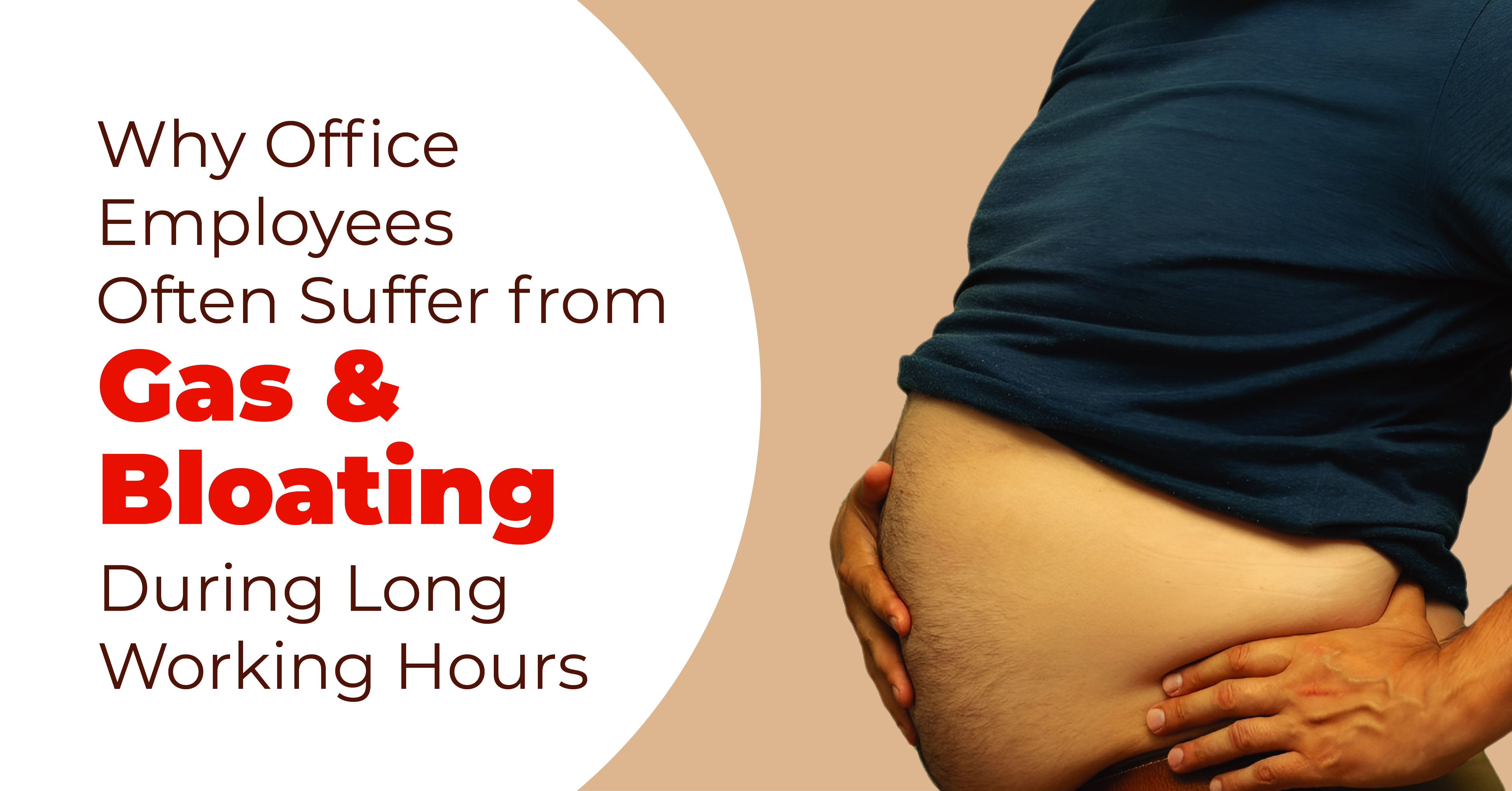
Why Office Employees Often Suffer from Gas & Bloating During Long Working Hours