Blogs
What Causes Gas in the Stomach? Common Triggers You Should Know
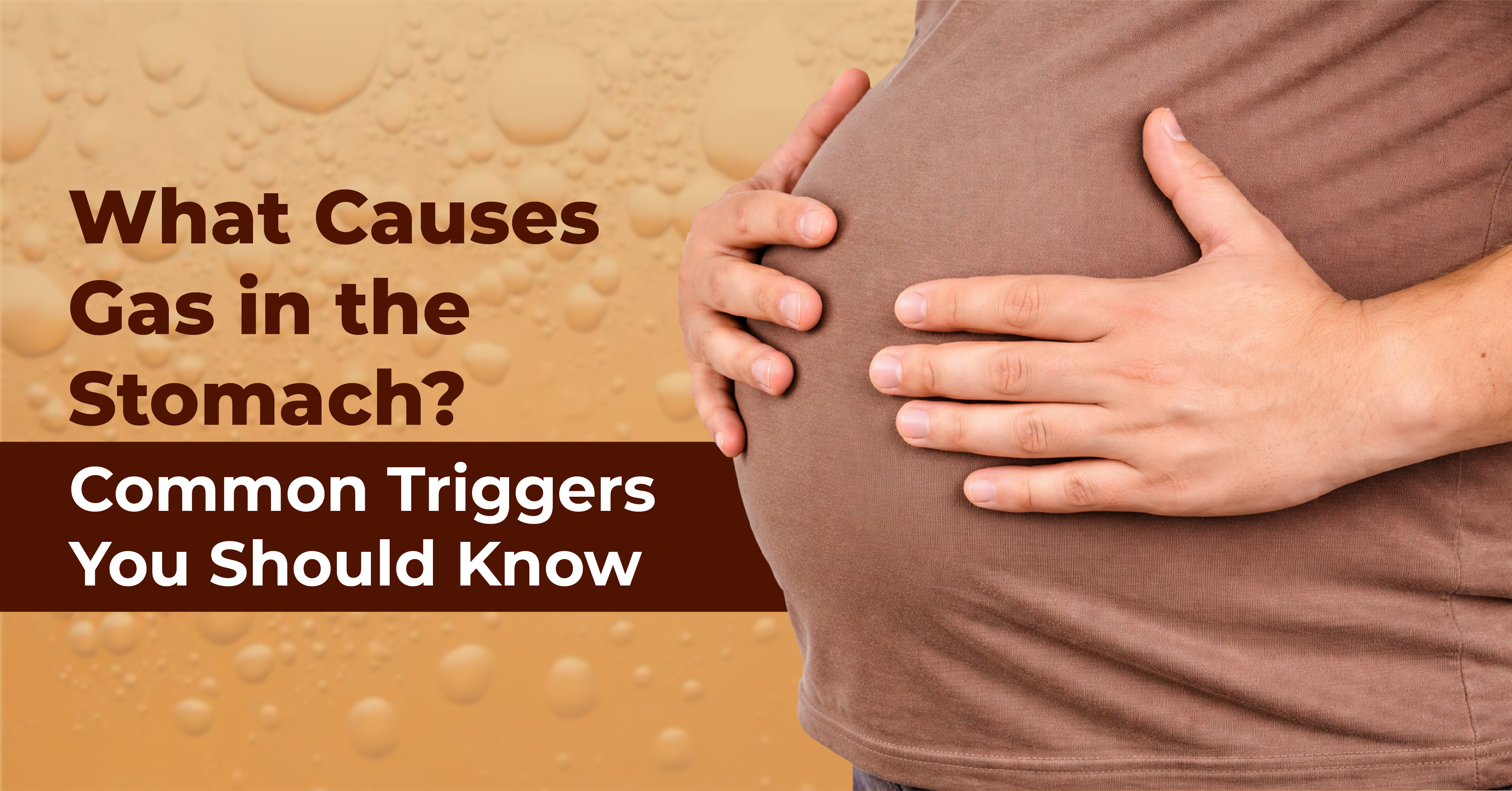
Gas in the stomach usually occurs when digestion produces excess air or gases in the digestive tract. Common causes of gas in the stomach include eating too quickly, consuming gas-producing foods, drinking carbonated beverages, or poor digestion. Identifying these triggers and improving eating habits can help reduce bloating, burping, and stomach discomfort.
Understanding Gas in the Digestive System
Experiencing gas after eating or occasional bloating is quite common. Gas forms naturally during digestion when food breaks down in the stomach and intestines.
However, when digestion becomes slow or certain foods produce excess fermentation, gas can accumulate in the digestive tract.
This may lead to symptoms such as:
- Abdominal bloating
- Frequent burping
- Stomach discomfort
- Feeling overly full after meals
Understanding the causes of gas in the stomach is the first step towards managing these digestive problems.
Common Causes of Gas in the Stomach
Many everyday habits and foods can contribute to gas problem causes. Some of the most common triggers include the following.
Eating Too Quickly
One major reason people experience gas after eating is swallowing excess air while eating.
Eating too fast can lead to:
- trapped air in the stomach
- increased burping
- bloating after meals
Eating slowly and chewing food properly helps digestion work more efficiently.
Foods That Cause Gas
Certain foods are more likely to produce gas during digestion.
Common foods that cause gas include:
- beans and lentils
- cabbage and broccoli
- onions and garlic
- dairy products (for lactose-sensitive individuals)
- fried or fatty foods
These foods ferment in the gut, producing gas that may cause bloating and discomfort.
Carbonated Drinks
Soft drinks and fizzy beverages contain dissolved gases that enter the digestive system when consumed.
Regular consumption of carbonated drinks may lead to:
- excessive gas causes
- burping
- stomach bloating
Digestive Sensitivity
Some people naturally experience digestion problems because their stomach breaks down certain foods more slowly.
This may lead to:
- gas buildup
- bloating after meals
- abdominal heaviness
Food intolerances, such as lactose intolerance, can also contribute to digestive discomfort.
Irregular Eating Habits
Skipping meals or eating large portions after long gaps can disturb digestion.
Irregular eating patterns may trigger:
- gas after eating
- acidity
- bloating
Maintaining regular meal timings supports smoother digestion.
Why Do I Feel Bloated After Meals?
Many people ask, “Why do I feel bloated after eating?”
Bloating occurs when gas accumulates in the stomach or intestines. This often happens due to:
- overeating
- poor digestion
- gas-producing foods
- swallowed air
The result is a feeling of tightness or fullness in the abdomen, sometimes accompanied by burping or mild stomach discomfort.
How to Prevent Gas Naturally
Fortunately, simple lifestyle changes can help reduce gas problem causes and improve digestive comfort.
Here are some effective natural ways to prevent gas.
Eat Slowly and Mindfully
Chewing food properly reduces swallowed air and improves digestion.
Identify Trigger Foods
If certain foods regularly cause bloating, reducing their intake may help control excessive gas causes.
Drink Warm Water
Warm water helps relax digestive muscles and supports smoother digestion.
Stay Active After Meals
A short walk after meals encourages digestion and helps prevent gas buildup in the stomach.
Use Digestive Ingredients Like Jeera
Jeera (cumin) has long been used in traditional digestive practices to support digestion and reduce gas formation.
JeeruBoss Tip for Preventing Bloating
JeeruBoss Tip:
Heavy meals eaten too late at night can slow digestion and lead to bloating the next morning. Try finishing dinner earlier and keeping the meal lighter to support smoother digestion.
When Gas May Indicate a Digestive Problem
Occasional gas is normal. However, frequent symptoms may indicate an underlying digestive issue.
Consider seeking medical advice if you experience:
- severe abdominal pain
- persistent bloating
- unexplained weight loss
- frequent indigestion
Addressing digestive problems early can help maintain long-term gut health.
Supporting Digestive Comfort in Daily Life
Maintaining good digestion often comes down to simple daily habits.
Healthy digestion can be supported by:
- balanced meals
- adequate hydration
- regular physical activity
- mindful eating
These habits help minimise gas formation and digestive discomfort, allowing your stomach to function smoothly throughout the day.
Frequently Asked Questions
What are the main causes of gas in the stomach?
The most common causes of gas in the stomach include eating too quickly, consuming gas-producing foods, carbonated drinks, and poor digestion.
What foods cause gas the most?
Foods such as beans, lentils, cabbage, onions, and fried foods often produce gas during digestion.
Why do I feel bloated after eating?
Bloating after meals usually occurs due to excess gas formation, overeating, or swallowing air while eating.
How can I prevent gas naturally?
Eating slowly, avoiding gas-triggering foods, drinking warm water, and staying active after meals can help prevent gas naturally.
Is occasional gas normal?
Yes, occasional gas is a normal part of digestion. However, frequent or severe symptoms should be evaluated by a healthcare professional.
Final Thoughts
Gas in the stomach is usually caused by everyday habits such as eating quickly, consuming gas-producing foods, or irregular meal patterns.
By understanding the common triggers of gas and bloating, and making simple lifestyle adjustments, it is possible to significantly reduce digestive discomfort.
Small changes in eating habits and digestive care can go a long way in keeping your stomach feeling balanced and comfortable.
Table of Contents
Latest Blogs

Skipping Meals Frequently? Here’s How It Can Trigger Acidity and Gas Problems

Can Stress Affect Your Digestion? The Hidden Link Between Mind and Gut Health
Weekend Overeating and Monday Acidity: How Your Lifestyle Affects Digestion
Why Office Employees Often Suffer from Gas & Bloating During Long Working Hours